
Academy
Maps
How to study a map, the ten questions to ask, a full page for every map with the interactive map, and how the pages stay up to date when the pool changes.
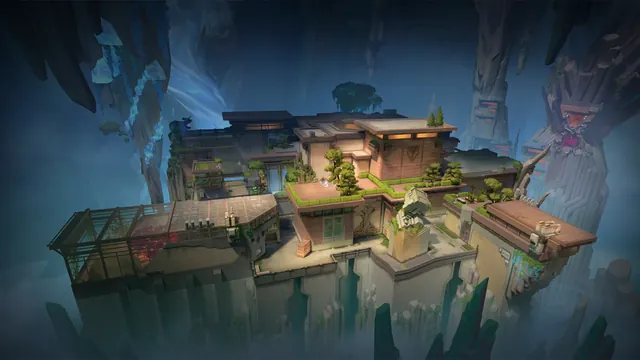 AbyssA two site, three lane map with no barriers on its edges: fall off and you die. It has many levels, long lines and high positions reached with ascenders. You win by controlling mid and moving carefully, without giving away rounds with a fall.
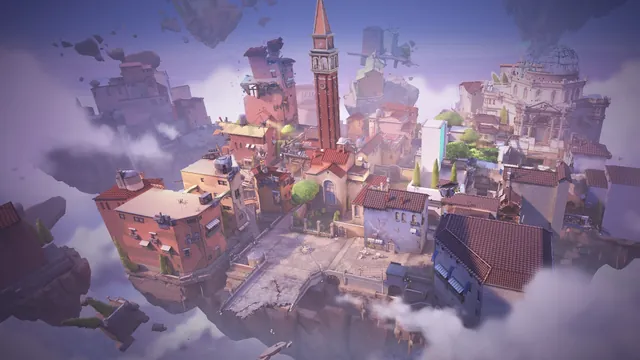 AscentA two-site map with a big, open mid: whoever controls it can threaten both sites and split the defense. Two mechanical doors, one per site, can be closed to cut off the path from mid.
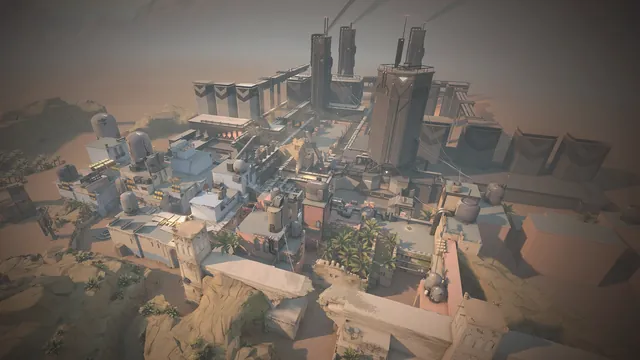 BindA two site map with no mid: each site has two entrances, and two one way teleporters link the A side with the B side. The chokes are narrow and the sites close to the attacker spawn: you win with fast executes, believable fakes and a good post-plant.
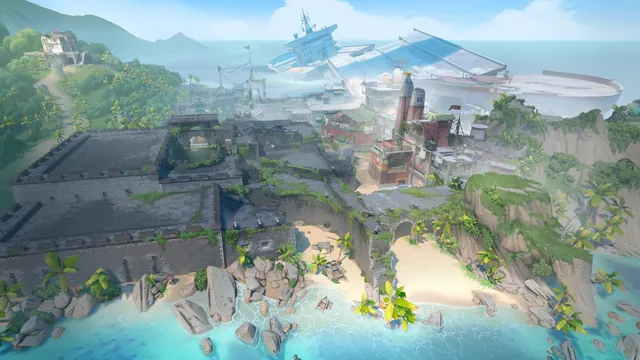 BreezeA big, open map with very long lines, wide sites and a mid with a large pillar. It was reworked in patch 12.00, which narrowed mid and changed the entrances to A and B. It rewards the Operator, long smokes and whoever gathers information.
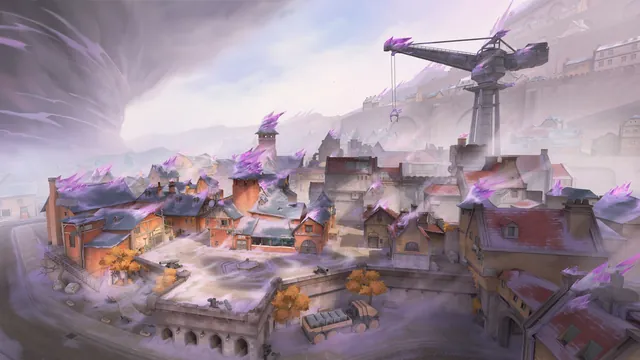 CorrodeA classic two site, three lane map, with a mid that decides rotations. A is mostly taken with a pincer, from A Main and A Link; B is the hardest site to force, with narrow entrances and high positions. It rewards well used utility in the chokes.
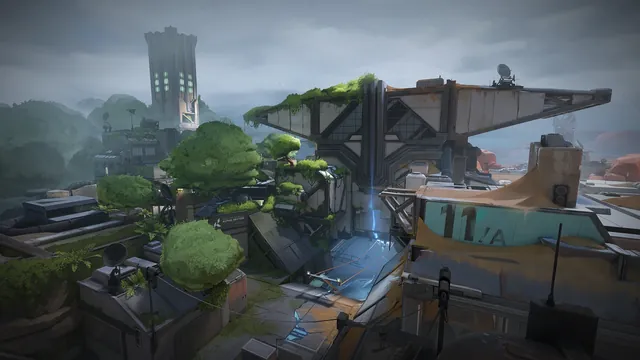 FractureAn H shaped map: the defense spawns in the center, the attack on two opposite sides linked by ziplines. Every site can be attacked from several directions, so the attack plays pincers and the defense has to choose well what to hold and when to come back for the retake.
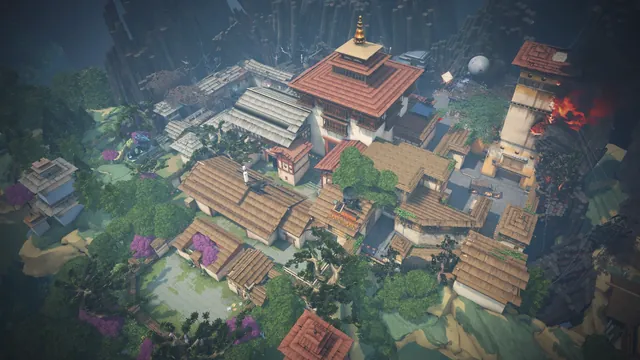 HavenThe only map in the pool with three sites. The defense has a spawn close to all three and has to split up; the attack has long rotations but can choose between three targets and use mid to threaten two at once.
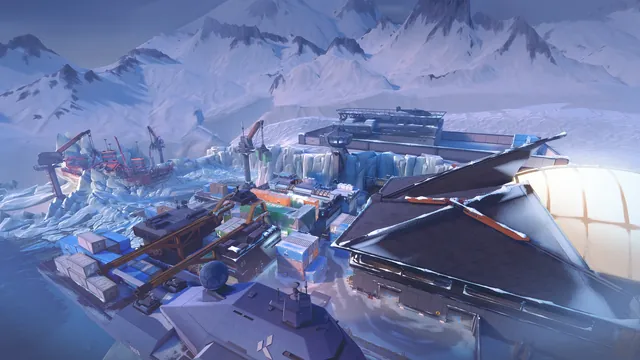 IceboxA very vertical two site map, with ziplines, high positions and long lines. The sites are big and full of positions to clear; the B side is a container yard. You win with good information, smokes that cut the sites and a strong post-plant.
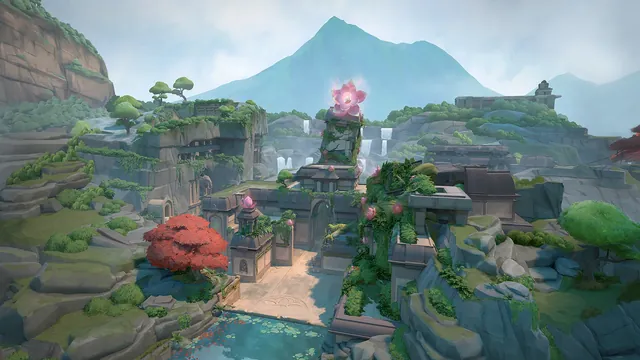 LotusA three site map with sites close to each other, linked by two rotating doors and a wall that can be destroyed. Rotations are short for both teams, and whoever uses the doors and links at the right moment wins rounds.
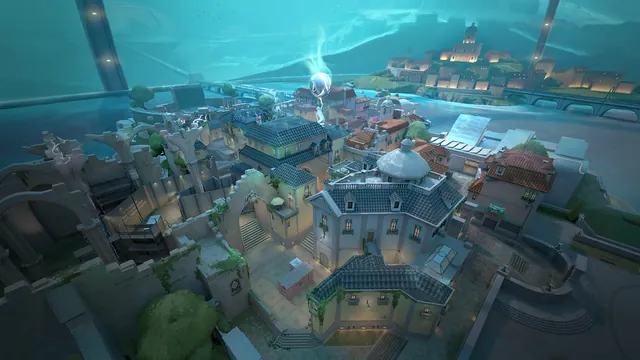 PearlA two site, three lane map with a big mid that connects almost everything and long rotations. A is taken from the front through A Main and from the side through mid; B is played over longer distances, with B Main and high positions like B Tower. Whoever wins mid chooses where to go.
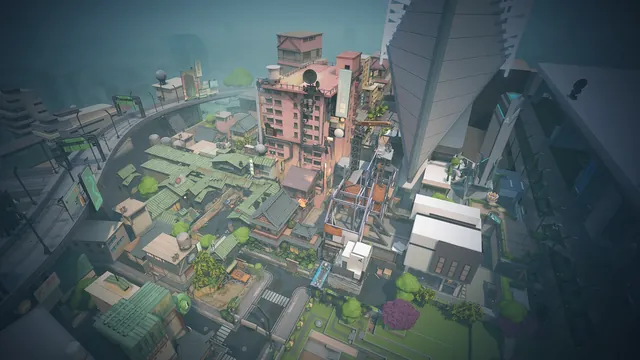 SplitA compact two site map built on several levels, with narrow mains and a mid split into two parts. The sites are close to the defender spawn and full of high positions: the attack has to take space one step at a time, and mid decides where from.
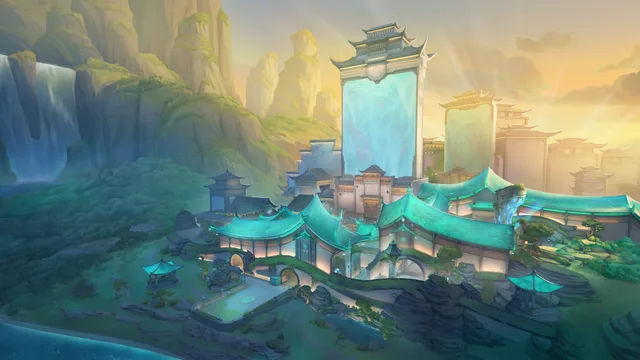 SummitA two site, three lane map with a highly connected mid and three walls that, once dropped, close a path for the rest of the round. Whoever controls mid picks the site; whoever uses the walls well decides how the round rotates.
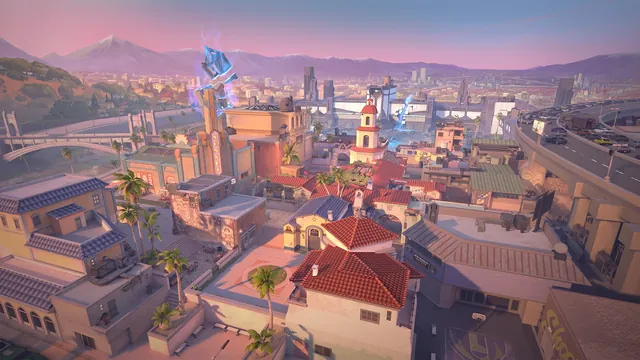 SunsetA two site, three lane map with a wide mid that decides many rounds. A is a big site with a long main; B is tight, full of corners and close to the defender spawn. Whoever takes mid chooses where to go.
Chapters
How to study a map
Studying a map does not mean memorizing names: it means understanding how rounds are won there. You start from the win condition, ask yourself the ten questions, and only then learn positions, defaults and utility.
Map rotation and map changes
The competitive pool changes over time: some maps leave, others come back, some get changed. Here is how it works, how to prepare for a returning map and how we keep the pages up to date.
Lineups: when they matter
A lineup is a repeatable way of throwing an ability to the same spot every time, from a precise position. It matters when it gets you something you would not get otherwise, and only when you already know why you are using it. You learn them starting from the goal, not the position.